
How to choose your freeze-dried meal?

Choosing a freeze dried meal is not just about comparing two pouches or looking at calorie counts. It is really about finding the right balance between enjoyment, energy intake, pack weight and field constraints. Whether hiking, bivouacking, at sea or bikepacking, a good meal should be simple to prepare, nourishing and enjoyable to eat, even after a long day of effort.

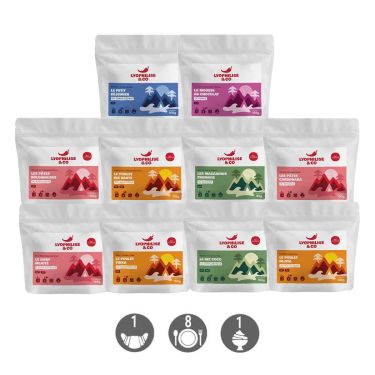
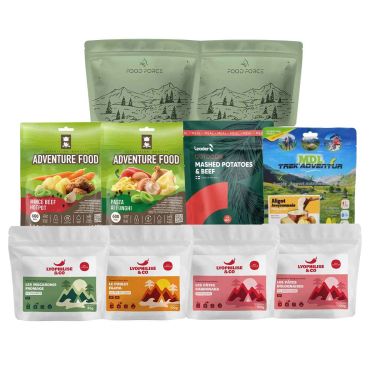
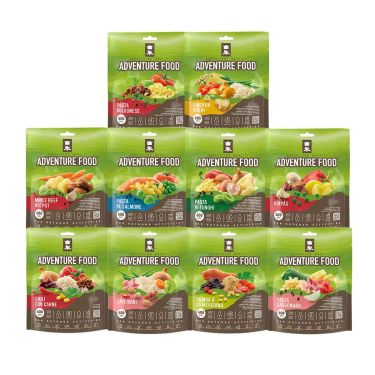
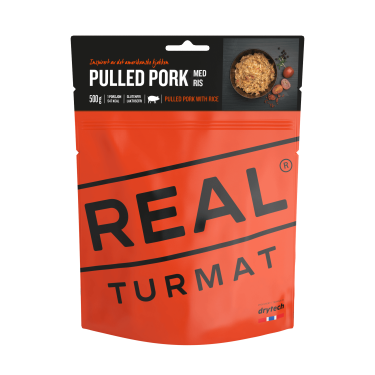
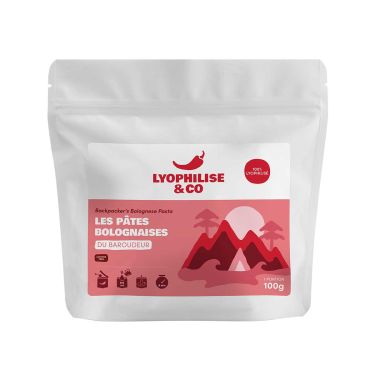
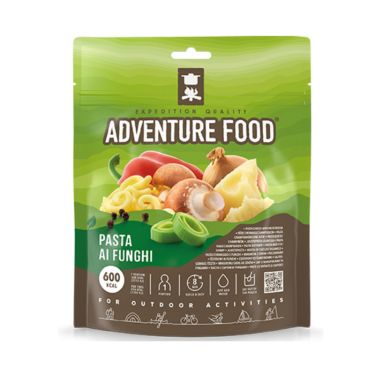
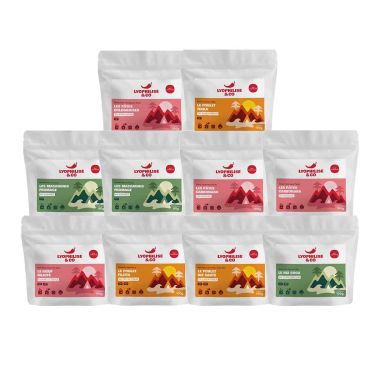
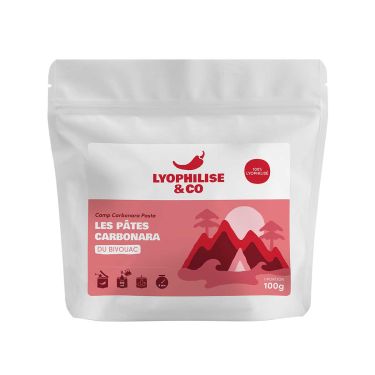
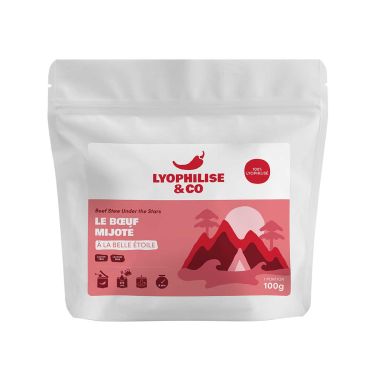
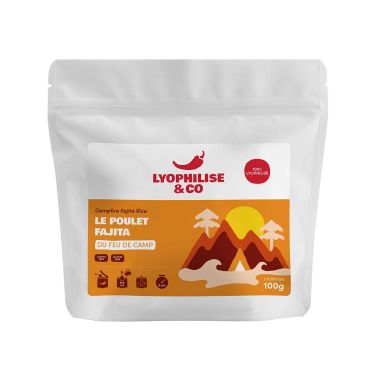
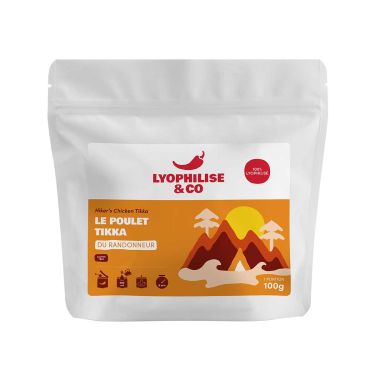
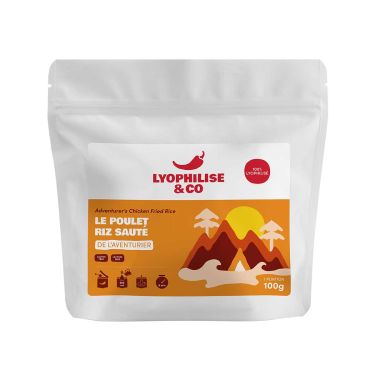
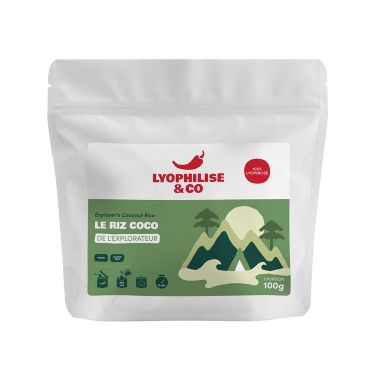
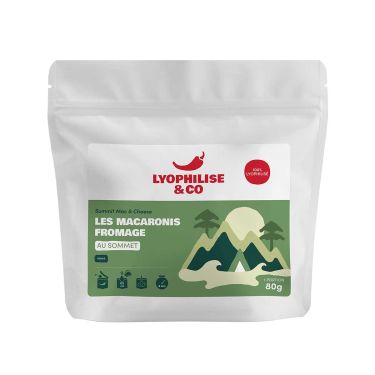
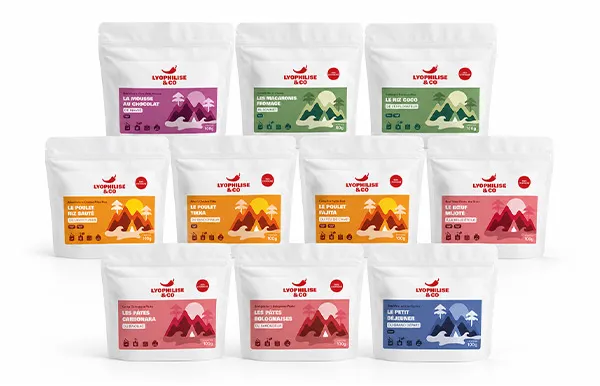
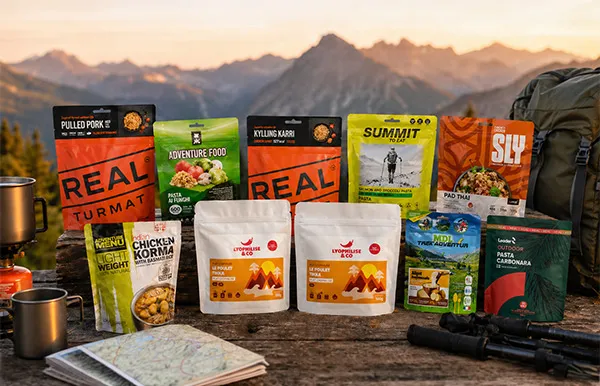
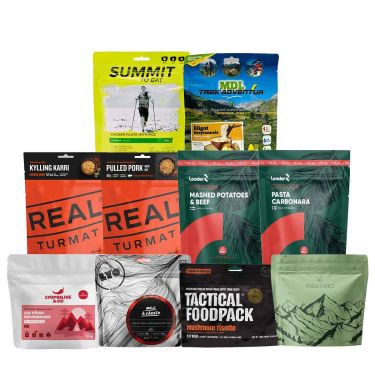
At Freezedried & Co, we have been selecting meals suited to real outdoor conditions for over 15 years, from recognised brands such as REAL Turmat, Tactical Foodpack, Trek'n Eat, MX3, Adventure Food, Firepot, as well as through our own Freezedried & Co freeze dried food range.

Taste first

On paper, it can be tempting to go for the most calorie-dense or the lightest meal. But in the field, taste remains the primary criterion. After 20 km of walking, a day's sailing or several hours of effort, a dish you genuinely enjoy will make all the difference.

An enjoyable meal makes you want to eat enough, helps you recover and lifts your morale. Conversely, a recipe that is too bland, too salty or whose texture you do not enjoy risks being left half-eaten. Before a trek or an expedition, the ideal approach is to test a few recipes at home to identify the ones that really work for you.

Some brands focus on recipes that are very close to home cooking, such as REAL Turmat or Firepot. Others offer more technical, practical and energy-dense dishes, such as Tactical Foodpack, Trek'n Eat or MX3. The right recipe will depend largely on your tastes, your appetite and your activity.

Calories, weight and energy density: the right benchmarks

The second important criterion is calories. For a light hike or a one-night bivouac, a meal of around 400 to 500 kcal may be enough, especially if you have snacks planned during the day. For a demanding hike, a multi-day trek, an offshore race or an expedition, it is better to aim for more generous meals, often above 700 kcal.

But you should not only look at calories per serving. The truly useful indicator is also energy density — that is, the number of calories per 100 g of dry product. The higher it is, the more energy the meal provides for a limited weight. This is an essential point when every gram in your pack counts.

The weight and volume of the pouch also matter. A light meal that leaves you hungry will not necessarily be the best choice. Conversely, a slightly heavier pouch that is more filling can be far better suited to a demanding day of effort.

Packaging, preparation and practicality in the field

A good freeze dried meal should be easy to prepare, even when conditions are not ideal. In the rain, in the cold, in a tent or on a boat, you quickly come to appreciate the practical details: stable pouch, resealable zip, clear water line, easy opening and robust packaging.

Rehydration time is also worth checking. Most meals are prepared with hot water in just a few minutes, but some recipes can take longer. If you are going without a stove, check that the dish can be rehydrated with cold water, or test it before you leave. Not all recipes give the same result without hot water.

This is also where the differences between brands can be interesting. Tactical Foodpack offers formats that are very field-oriented, for example, while brands such as REAL Turmat or Firepot are often appreciated for their flavour and texture after rehydration.

Reading the ingredients and nutritional values

To choose well, you also need to look at the composition. A good freeze dried meal should provide a coherent balance of carbohydrates, protein, fats, fibre and salt. Carbohydrates provide quickly available energy, fats increase caloric density, and protein aids recovery and satiety.

The ingredient list also helps you better understand the recipe. Where possible, go for dishes with recognisable ingredients and a clear composition. This is particularly important if you are heading out for several days and will be eating freeze dried food regularly.

Also bear in mind allergens and dietary requirements: gluten, lactose, soya, tree nuts, meat, fish, vegetarian or vegan recipes. On Freezedried & Co, these criteria make it easier to filter products according to your needs.

Choose based on your activity

For a short hike or a simple bivouac, you can opt for a light, easily digestible meal that is simple to prepare and not too bulky. For a multi-day trek, you will need to pay more attention to energy density, recipe variety and satiety. Alternating dishes also helps avoid food fatigue.

For an expedition, an offshore crossing or full self-sufficiency, the criteria become more technical: calories per 100 g, pack durability, preparation time, digestive tolerance and protein content. In that case, it is better to set off with recipes you have already tested, that are reliable and suited to your pace.

Our own Freezedried & Co range was designed with exactly this in mind: to offer practical, generous outdoor meals suited to real field needs, with recipes that are easy to incorporate into a hiking, bivouac or self-sufficiency diet.

In summary

The best freeze dried meal is not necessarily the most expensive, the most calorie-dense or the lightest. It is the one that matches your effort, your tastes and your conditions of use.

"To make the right choice, start with taste, then look at calories per serving, energy density, pack weight, ease of preparation, ingredients and allergens. A freeze dried food should above all make you want to eat, give you enough energy, and stay simple to use in the field."

At Freezedried & Co, our goal is to help you find the right balance between enjoyment, nutrition and field performance. Because after a real day of effort, a good meal is never just a detail.