
-
- View all section
-
-
-
-
Top brands
-
-
-
-
- View all section
-
-
-
-
-
Top brands
-
-






Sailing - What to Eat?
Whether you're preparing for a round-the-world race or a weekend sailing trip, selecting nutritious, lightweight, and long-lasting meals is crucial. From freeze-dried meals to sterilized gourmet pouches, the options have never been better. In this guide, we help you choose the best food for your sailing adventure, without compromising taste or practicality.
Why nutrition matters at sea?
Proper provisioning isn’t just about avoiding hunger, it’s about staying alert, energized, and motivated. Underestimating food needs can reduce performance and morale, while overestimating adds unnecessary weight to your boat.

Freeze-Dried Meals: Let’s Forget the Stereotypes!
Freeze-Dried Meals for Sailing: Convenient and Lightweight
Advantages of Freeze-Dried Food on a Boat
Extremely lightweight: Ideal for racing or long-distance trips.
Long shelf life: From 5 to 25 years depending on packaging.
Quick to prepare: Just add hot (or cold) water.
Minimal dishwashing: Eat straight from the pouch.
These meals are perfect for boats with a desalination system, where water is available but weight is a concern.
Best Meals to Pack: 5 Sailing Meal Ideas
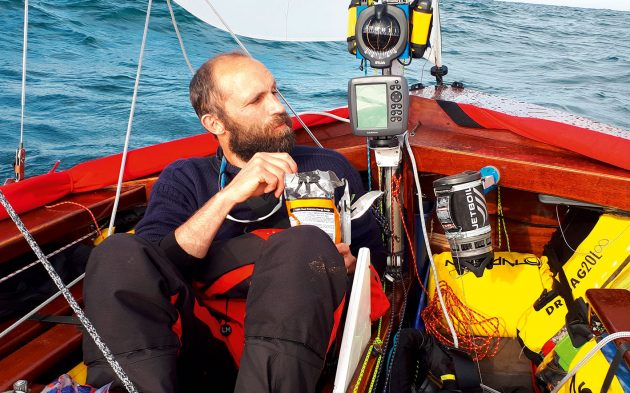
Here are 5 high-performing, easy-to-prepare meals that offer a balance of calories, nutrition, and taste. These are top choices among sailors and adventurers:
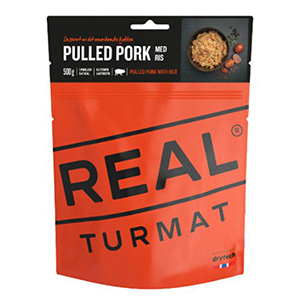
1. 🥘 Pulled Pork (Freeze-Dried)
The Ultimate Protein Powerhouse
A best-seller among offshore sailors: protein-rich, smoky, and incredibly satisfying. This meal rehydrates beautifully with a firm, authentic texture that rivals fresh-cooked pork. With over 25g of protein per serving, it's perfect for muscle recovery after long watches and heavy weather sailing. The rich, barbecue-style flavor provides the comfort food experience you crave when miles from shore.
Pro sailor tip: Add a pinch of hot sauce for extra flavor without extra weight.
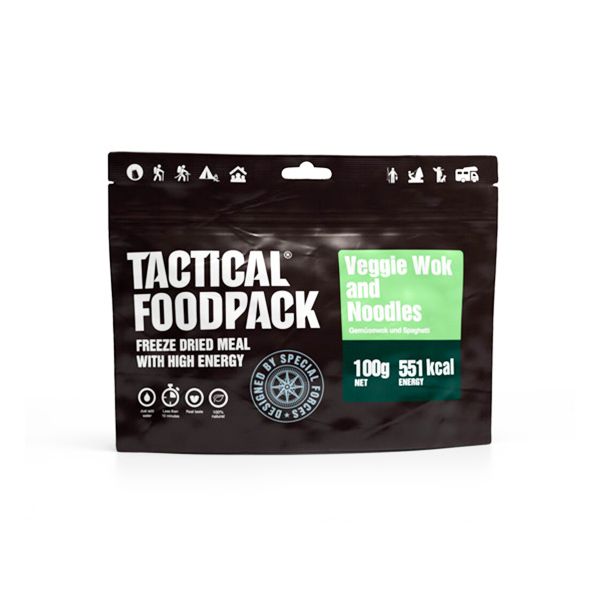
2. 🍜 Vegetable Noodle Wok (Freeze-Dried)
Light, Fresh, and Energizing
Vegan-friendly and surprisingly light, this Asian-inspired dish is easy to digest and ideal after long hours of sailing when your stomach needs gentle nourishment. Packed with essential carbohydrates and vegetables, it provides sustained energy without the heavy feeling that can affect your performance. The blend of crisp vegetables and perfectly textured noodles makes it a crew favorite.
Why sailors love it: Quick 8-minute prep time and can be prepared with cold water if fuel is limited.
3. 🥩 Beef Carrot Stew (Sterilized)
Traditional Comfort for Challenging Conditions
A hearty French classic offering genuine warmth and comfort when conditions get tough. This substantial meal delivers both physical and psychological satisfaction—essential during rough passages or cold nights at sea. Rich in iron and B-vitamins, it helps maintain energy levels and mental sharpness during demanding sailing situations. The tender beef and sweet carrots create a homestyle taste that boosts crew morale.
Flexibility advantage: Eat hot for maximum comfort or cold straight from the pouch during rough weather.
4. 🍗 Chicken with Whole Grains
The Perfect Recovery Meal
A scientifically balanced meal featuring optimal carbs, protein, and healthy fats—specifically designed for recovery after physical exertion. The combination of lean chicken protein and complex carbohydrates makes it ideal for refueling after challenging sailing maneuvers, anchoring procedures, or heavy weather sailing. This meal helps prevent the energy crashes that can compromise safety and decision-making at sea.
Nutritionist recommended: Contains the 4:1 carb-to-protein ratio preferred by endurance athletes.
5. 🥣 Muesli with Milk and Berries (Freeze-Dried)
Versatile Energy Booster
Far more than just breakfast—this versatile meal works perfectly as a high-energy snack, dessert, or morning fuel. The combination of oats, dried fruits, and protein-rich milk powder provides both quick and sustained energy release. The natural sugars from berries give you an immediate boost, while complex carbs maintain energy levels throughout your watch.
Fuel-saving secret: Prepares beautifully with cold water, conserving precious cooking fuel for other meals.

BEST SELLER | 
FAVORITE |
Sterilized or Canned Meals: What Are They ?
Lyophilise & Co developed its sterilized meal offerings at the request of sailors. The goal was to diversify recipes, add new flavors, and complement the range of freeze-dried options. These meals come with several advantages and very few drawbacks—here’s everything you need to know!
An Ancient Technique
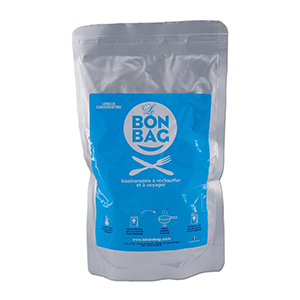
Based on the traditional canning process, these meals are cooked and then sterilized at high temperatures for long-term storage, lasting between 1 and 6 years. Packaged in pouches, they’re shatterproof, unlike traditional glass jars.
Sterilization eliminates microorganisms that could reproduce during storage. The process involves preparing the food, pre-cooking or cooking it, and then sealing it in airtight pouches. Typically, sterilization occurs after packaging through heat treatment in an autoclave, where temperatures reach 100°C (unlike pasteurization, which is done at around 85°C).
This technique is accessible to artisan cooks, and many "gourmet" French recipes now enrich Lyophilise & Co’s catalog of sterilized meals. Most recipes are free from additives and preservatives.
Although sterilization can lead to a 30–50% loss of vitamins (especially B and C) or more for certain ingredients, it preserves food for up to 6 years, depending on the packaging. In terms of taste and texture, these meals generally maintain excellent quality.
Meals That Heat Up According to Your Equipment
While some recipes can be eaten cold, they’re typically enjoyed hot using a water bath, a pan, or even a microwave. Another alternative gaining popularity among sailors is self-heating systems.
Many sterilized meal brands now work with flameless heaters. The process is simple: potable or non-potable water activates the heating element, which brings the meal to a high temperature. By placing the pouch in this system and waiting a few moments, you can enjoy a hot meal without relying on a gas stove or open flame.
A Drawback That Can Also Be an Advantage
The main drawback is the weight—sterilized meals are heavier than freeze-dried ones because the water hasn’t been removed. However, this can also be an advantage!
Since potable water isn’t required for preparation, sterilized meals offer complete autonomy, making them a great option for boats without desalination systems. This feature is particularly appreciated by sailors in solo challenges, seasoned mariners, and even casual boaters.
BEST SELLER ▶▶ Boeuf carottes ◀◀ | 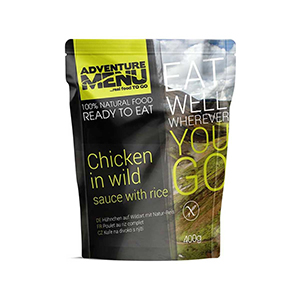 FAVORITE |


A Combination of Both? Absolutely!
Depending on individual preferences and equipment, it’s entirely possible to combine both types of meals—freeze-dried and sterilized—during your sailing adventures. Pre-assembled packs with or without snacks are available to order from Lyophilise & Co's website. You can also create your own custom assortment directly online or even in-store for those lucky enough to be near Lorient!
The key is to prioritize high-quality meals, complemented by energy bars, drinks, and even treats like chocolate or cans of pâté from a renowned Breton producer. Nutrition isn’t just about keeping your body functioning—it’s also about boosting morale so you can fully enjoy your time on the water.
Bon appétit!
Photo credits: Christophe Breschi, Alan Roura, La Fabrique, Julien Rabier, Nomad's Kitchen
Related posts
-
 20 Christmas gift ideas for bushcraft or survival
Short of ideas for Christmas? No need to worry. We've put together a list of perfect gifts to give a bushcraft or...Read more
20 Christmas gift ideas for bushcraft or survival
Short of ideas for Christmas? No need to worry. We've put together a list of perfect gifts to give a bushcraft or...Read more -
 Food during the Marathon des Sables, by Carole Pipolo
We interviewed Carole Pipolo, founder of Outdoor And News and partner of Freezedried & Co, to ask her about nutrition...Read more
Food during the Marathon des Sables, by Carole Pipolo
We interviewed Carole Pipolo, founder of Outdoor And News and partner of Freezedried & Co, to ask her about nutrition...Read more -
 Special Vendée Globe - What Do Skippers Eat?
For weeks, the skippers of the Vendée Globe have been meticulously preparing their onboard provisions, and we thank...Read more
Special Vendée Globe - What Do Skippers Eat?
For weeks, the skippers of the Vendée Globe have been meticulously preparing their onboard provisions, and we thank...Read more -
 How to Prepare Your Nutrition for a Self-Supported Race Like the Marathon des Sables?
Wondering what food to choose and how to prepare your freeze dried food during the race? This article will provide...Read more
How to Prepare Your Nutrition for a Self-Supported Race Like the Marathon des Sables?
Wondering what food to choose and how to prepare your freeze dried food during the race? This article will provide...Read more -
 Marathon des Sables: Nutrition Tips from Sandrine Nail-Billaud
Some time ago, we interviewed Sandrine Nail-Billaud, a contributor to Running Attitude magazine and a Pharmacist...Read more
Marathon des Sables: Nutrition Tips from Sandrine Nail-Billaud
Some time ago, we interviewed Sandrine Nail-Billaud, a contributor to Running Attitude magazine and a Pharmacist...Read more