






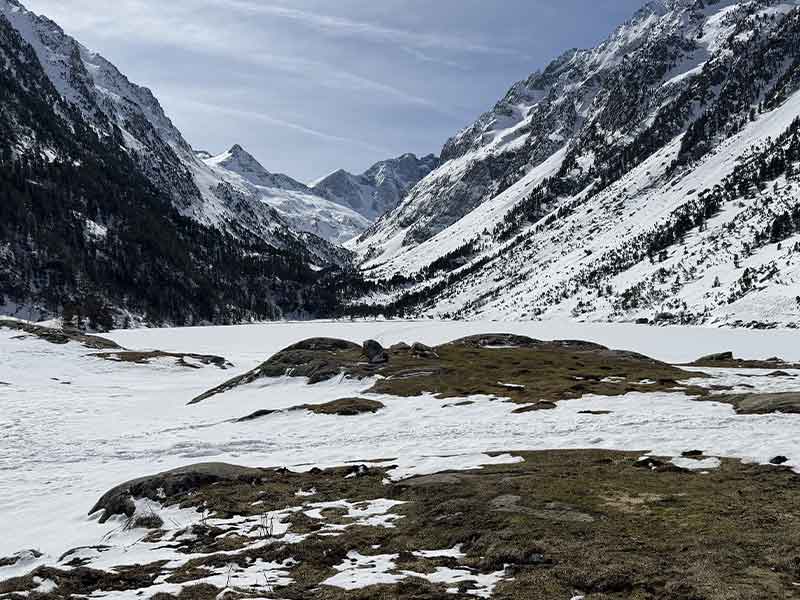

Lac de Gaube in March: a straightforward hike… until the snow changes everything

Lac de Gaube is often described as an accessible hike. A relatively short outing, with no particular technical difficulty, ideal for taking in beautiful mountain scenery.

That's exactly the mindset I set off with. I expected a relaxed outing, with no particular constraints, simply to enjoy the surroundings. But in March, with snow, this hike takes on a completely different dimension.

In this article, I share my first-hand experience. I'm Noah Chauvin, and this outing reminded me just how much conditions can transform a hike with a reputation for being "easy".

A hike that changes completely with snow

From the very first steps, the terrain sets its own rules. The path disappears quickly under the snow. In places, a few tracks help guide the way, but they're irregular and often vanish altogether. You press on by constantly adapting, reading the terrain, testing the snow underfoot and checking your GPS more often than expected.

This loss of visual reference points completely changes the way you move. You're no longer following an obvious route — you're navigating an environment where every route choice requires thought. The pace suffers immediately.

Physical effort: a serious underestimate

One of the most striking aspects of this outing is the physical effort. Snow often gives the impression of being easy. In reality, it makes every step more demanding. You sink in — sometimes slightly, sometimes deeper. Your foot slips a little, the ground gives way in places, and you constantly have to adjust your balance. This continual adjustment significantly slows your pace.

Where you might picture a smooth hike, the rhythm becomes slower, more irregular, and above all more tiring. While not dangerous, the terrain demands constant vigilance. And that vigilance, combined with the physical effort, eventually takes its toll over time.

Kit: a detail that's anything but minor

Looking back, the thing I underestimated most was my kit. I didn't have microspikes. On some icy sections, the difference is immediate. Without grip, you move cautiously, controlling every step. You avoid certain areas, take detours, slow down. It's still manageable, but clearly less comfortable and less safe.

If I were doing it again, I'd pack microspikes without hesitation. On this type of terrain, it's a lightweight piece of kit that can genuinely transform the experience.

Arriving at the lake: a suspended moment

The effort and focus eventually give way to a much calmer moment. On arrival, the lake is completely frozen. The landscape is still, silent, almost motionless. There are very few people around, which heightens that sense of isolation. It's a special moment, one where you genuinely take the time to stop.

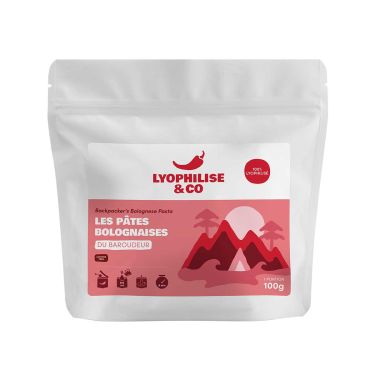
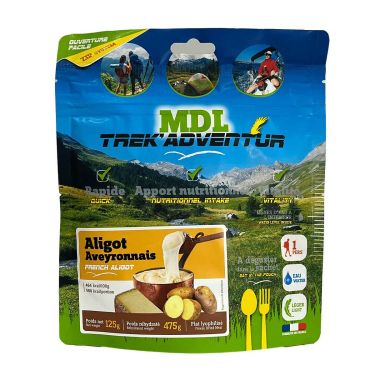
I stopped to take a break and prepare a hot meal. And it's probably one of the most memorable moments of the whole outing. After the cold and accumulated effort, your body really needs it. A hot meal warms you up quickly, restores your energy and lets you make the most of that moment in comfort.

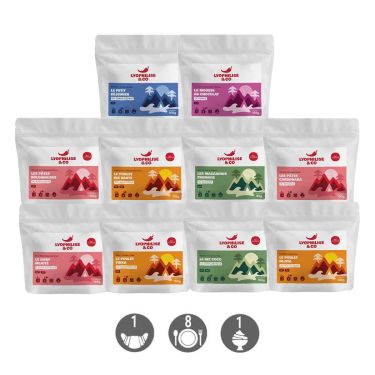
In this type of situation, having a simple and effective system for preparing food makes all the difference. That's exactly the spirit in which Freezedried & Co selects freeze dried food and outdoor gear suited to outdoor conditions: quick to prepare, lightweight to carry and designed to meet real needs in the field.

Bivouac: regulations to plan ahead for

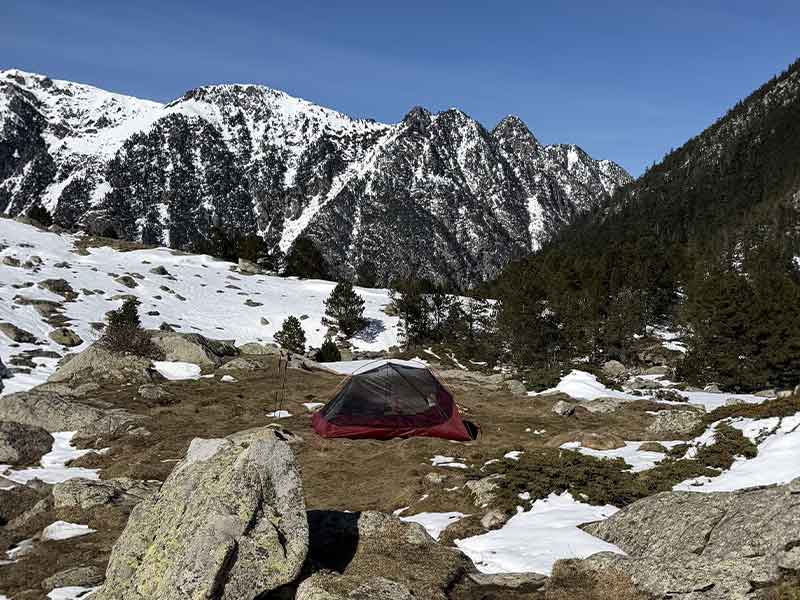
Bivouacking is not permitted everywhere around the lake. A specific zone is defined, on one side only. In winter, with snow, this further limits where you can set up. Between the snowy areas, slopes and uneven ground, planning your spot in advance becomes essential. If you're thinking of spending the night there, it's best to prepare your trip beforehand, particularly when it comes to gear choices and managing your self-sufficiency. 

What I planned well… and what I'd do differently

Some pieces of my kit proved particularly useful. Trekking poles, for example, provided real stability. In snow, they help with balance and reduce fatigue. The down jacket was also essential. The moment you stop, the cold returns very quickly, especially with the ambient moisture.

On the other hand, I clearly underestimated the overall impact of the snow. It slows you down, wears you out, and eventually gets into your boots, even with suitable kit.

Another important point: departure time. If I were doing it again, I'd set off earlier. In the morning, the snow is firmer, which makes progress easier and reduces how much you sink in. It's a small detail, but it can genuinely improve the overall experience.

My thoughts after this outing

Lac de Gaube in March is not a technically difficult hike. But it's not an "easy" outing either. Winter conditions completely transform the experience. They demand more adaptability, slightly more technical gear, and above all, better planning.

But if you're well prepared, it's absolutely worth it. For the peace and quiet, the atmosphere, and that quite unique feeling of moving through a frozen landscape, far from the usual crowds.

🎒 My gear