






Eating well, sleeping well and staying sharp at sea: my tips for a successful passage

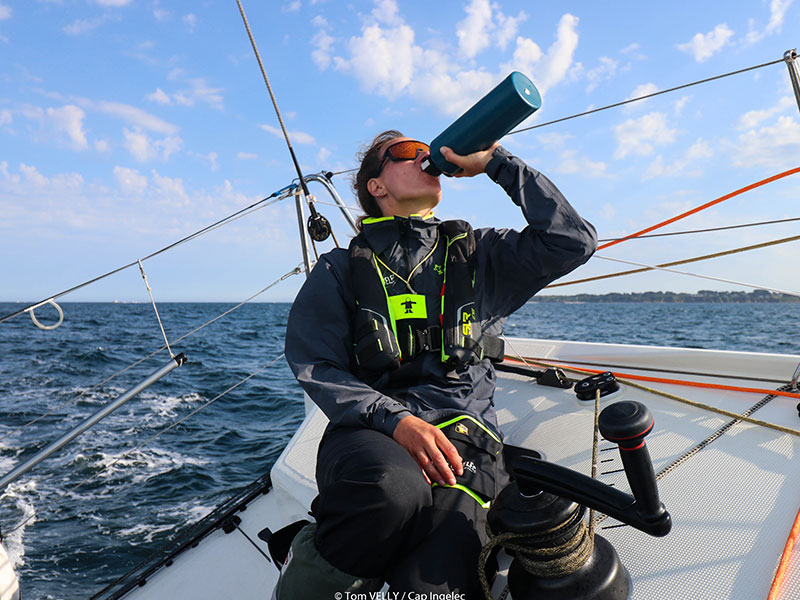
At Freezedried & Co, we've been supporting sailors for over 15 years. I'm Camille Bertel — after 5 years as a skipper in the offshore racing world, I joined the team with one simple conviction: at sea, comfort is never a minor detail. Offshore races, cruises, delivery trips, coastal outings or long passages: over the years, we've encountered many different profiles, but the same reality always holds true on board.

At sea, comfort is never a minor detail. If there's one thing you learn quickly when sailing, it's that life on board often comes down to the essentials: eat, drink, sleep, trim the sails, wait, watch, repeat… then eat again. These basic needs can either be endured, or turned into genuine moments of pleasure. A good hot meal after a wet watch, a dry sleeping bag to slip into for a few hours, a reliable head torch at the right moment, a snack in your pocket when you can't leave the helm: it's these small details that make all the difference.

At Freezedried & Co, our mission is precisely to select reliable, practical products suited to real on-board conditions. Not just "outdoor" kit, but solutions designed to make life easier at sea.

Sleeping well at sea: staying dry above all

Who doesn't remember their first night watch? Mine, I spent lying in the cockpit, right on the floor of my Mini, bundled up in my down sleeping bag. On paper, it was warm. In reality, it was a fatal mistake: as the night wore on, it absorbed moisture like a sponge. The result come morning: cold, aching muscles and no real recovery.

On board, moisture is everywhere. In the air, in your clothes, in the bottom of bags, sometimes even where you thought you'd protected everything. That's why we generally recommend opting for a synthetic-fill sleeping bag. It will often be a little bulkier than a down bag, but it handles sea air and damp conditions far better.

The sleeping mat also plays an important role. At sea, you don't always sleep flat, or in calm conditions. The boat pitches, heels, moves, and rest periods are often short. A good mat helps absorb shocks and improve recovery quality, even on a narrow bunk or a converted floor space. Depending on available room, an inflatable mat like the Big Agnes or a foldable foam pad can make a real difference.

Finally, the pillow is often underestimated. Yet at sea, it can prevent a stiff neck, help you wedge yourself in when the boat heels, or simply make a short nap far more restorative. A compact, lightweight Sea to Summit pillow, compact and light, is one of those accessories you bring along once "just to try" and never leave ashore again.

Eating on board: pleasure as fuel

At sea, eating isn't just about energy intake. It's also a moment of comfort, sometimes even the best part of the day. After several hours in the cold, in the rain or with the noise of the boat around you, a hot, satisfying meal can completely transform the morale of a crew. Today, there are plenty of options, and there's no longer any need to set off with heavy tins rolling around in the bilge.

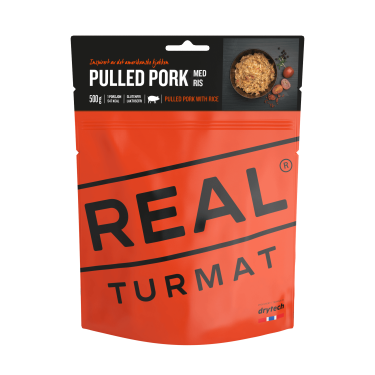
  • Freeze dried food is lightweight, compact and very simple to prepare: just add hot water directly into the pouch, wait a few minutes, then eat. It's clean, quick and above all extremely practical when space is limited.
  • Sterilised meals are another interesting option. Closer to traditional home-cooked dishes, they can be warmed up in a bain-marie or directly in a saucepan. They're often heavier than freeze-dried options, but can offer a texture and flavour that's hugely enjoyable, particularly on passages where weight isn't the primary concern.

The great advantage of both these options is also their simplicity: little or no washing up. And on a boat, where every drop of fresh water counts, that's no small thing. Less washing up means fewer constraints, less wasted water and more time to rest.

At Freezedried & Co, we offer a very wide selection of meals suited to sailing: breakfasts, main courses, soups, desserts, snacks, hot drinks… With over 600 references, everyone can put together their provisioning according to their tastes, budget, the length of their trip and the level of comfort they're after.

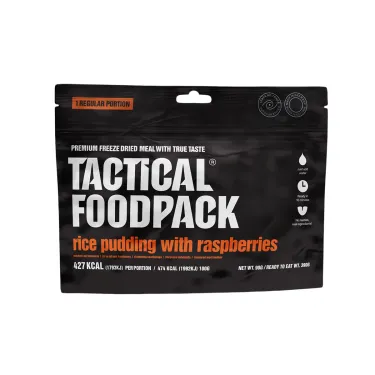
For those with a sweet tooth, desserts are often an excellent addition to your provisions. A chocolate mousse, an SLY apple crumble or an MX3 raspberry rice pudding can turn a tough moment into an almost comforting break. They're small pleasures, but at sea, small pleasures matter enormously.

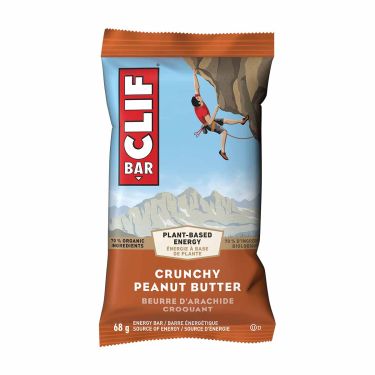
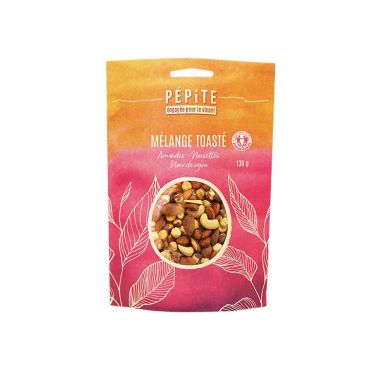
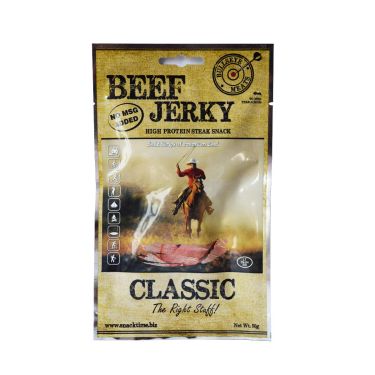
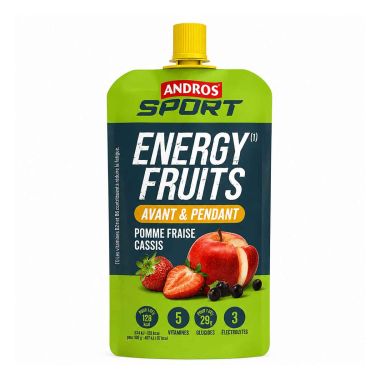
Don't underestimate snacks either. When sailing, there are times when you can't leave the helm, when you don't have time to prepare a proper meal, or simply when you need a quick energy boost. Energy bars, dried fruit, jerky, biscuits, fruit purees or savoury snacks can become genuine allies. The smart habit: always keep one or two in your dungaree pocket.

Preparing meals easily on board

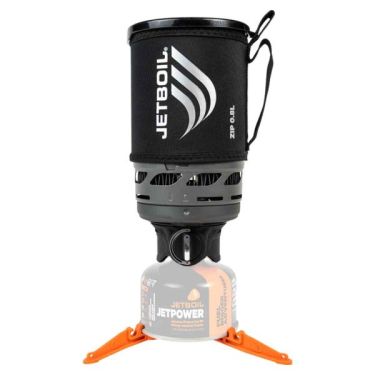
For heating water quickly, it's hard to beat a Jetboil. The appeal is straightforward: it lets you prepare a hot meal, a coffee or a tea in very little time, with a compact and efficient system. On board, it lets you pour hot water directly into a freeze dried food pouch, warm up a sterilised meal in a bain-marie, or simply prepare a hot drink during a watch. Its insulated design and protected burner also reduce risks in an unstable environment.

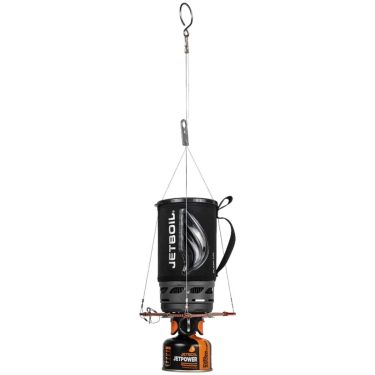
Another advantage of the Jetboil is that it can adapt to life on board. With a hanging kit, it stays more easily level despite the heel, which makes it much more comfortable to use. For one person, a 0.8 L or 1 L size is usually sufficient. For two or more, the Sumo format becomes far more convenient.

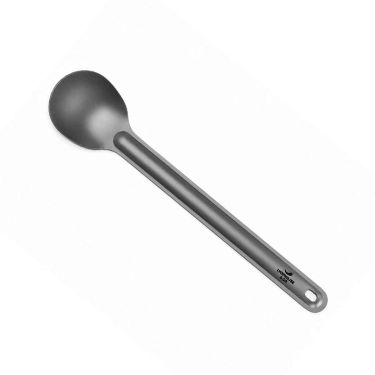
One small detail not to overlook: the long-handled spoon. Freeze dried food and sterilised meal pouches are often deep, and standard cutlery doesn't always reach the bottom cleanly. A long-handled titanium spoon takes up almost no space, weighs almost nothing, and stops you ending up with sauce all over your fingers.

The small pieces of kit that transform life on board

At sea, some accessories seem secondary — until the day you don't have them. The head torch is clearly one of them. It's indispensable for moving around on deck, checking a setting, preparing a meal, reading a chart or finding kit without waking everyone up.

The ideal choice is a head torch with a red light mode, especially if you have several people on board. It preserves night vision and avoids dazzling your crewmates. A Petzl Swift RL or a Black Diamond Spot 400-R can be excellent options depending on your power and battery life requirements. And since a head torch can fall overboard, get wet or disappear at the worst moment, keeping a Petzl e+Lite as a backup is always a good idea.

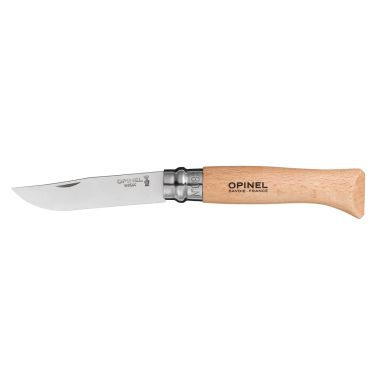
A knife is another essential. Every sailor knows it: you always need a blade on board. Cutting a line, opening packaging, fixing things, improvising repairs… a knife or multi-tool must remain within easy reach. Leatherman, Victorinox, Opinel: the choice depends mostly on your habits. In a salty environment, however, maintenance is essential. Rinse the blade in fresh water from time to time and dry it properly to extend its life.

Finally, there's the question of dry kit. Who hasn't opened their bag after a few days at sea expecting to put on clean clothes, only to find them damp, salty or reeking of boat? To avoid this, dry bags are essential. Distributing your change of clothes across several dry bags helps you stay organised and protects what absolutely must stay dry. Clothes, base layers, electronics, Kindle, tablet, documents, first aid kit: everything can be compartmentalised. Sea to Summit dry bags or compressible packing cubes are particularly practical for saving space and keeping your bag manageable, even in a tight area.

Being properly equipped isn't a luxury — it's a safety issue

Sailing means embracing the unexpected. But it also means giving yourself the means to turn an exhausting passage into a rewarding experience. Sleeping well, eating well, staying warm, keeping your kit dry and being able to rely on your accessories: these are the details that make the difference between a passage you endure and a passage you control.

Comfort on board isn't just about enjoyment. It's also a safety factor. Fatigue, cold, damp or poor nutrition have a direct impact on the skipper's alertness and the quality of their decisions. At sea, you respond better when you've slept dry, eaten something hot and kept your energy levels up. Whether you're heading out for an overnight anchorage, an ocean crossing, a delivery trip or an offshore race, choose reliable kit, meals you actually want to eat and accessories that genuinely make your life easier.

At Freezedried & Co, we select these products with genuine field knowledge, an understanding of the demands of the sea and the needs of sailors. Our goal is simple: to help you eat well, recover better and set off with the right equipment, so that every passage remains a pleasure, even when conditions get tough.