



MRE vs traditional combat rations
When it comes to sustaining military personnel in the field, the choice between Meals Ready-to-Eat (MREs) and traditional combat rations represents a significant evolution in military nutrition. MREs are modern, self-contained individual field rations that require no preparation, while traditional combat rations like C-rations and K-rations were often canned foods or dehydrated components requiring cooking, heating, or water addition.
The key differences are immediately apparent: MREs offer superior convenience (ready-to-eat with integrated heating), longer shelf life (several years vs. months), better nutritional balance (1200-1300 kcal with complete macronutrient profile), greater menu variety, and improved portability. Traditional rations, though historically important, were limited by shorter shelf life, preparation requirements, weight, and monotonous meal options that often affected troop morale.
For those interested in acquiring these field-ready meals, quality military rations are available through specialized suppliers who understand the importance of reliable combat nutrition.
What are MREs (Meals Ready-to-Eat)?
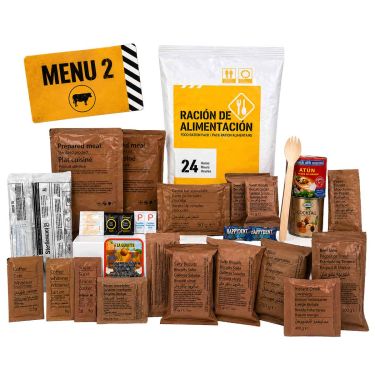
Meals Ready-to-Eat, or MREs, are self-contained, individual field ration packs used by the United States military and other armed forces. Each MRE contains an entrée, side dish, crackers or biscuits, and various other items, all packaged in a retort pouch. MREs are designed to provide military personnel with a complete, nutritionally balanced meal during combat operations or situations where organized food facilities are not available.
Overview of Traditional Combat Rations
Traditional combat rations encompass a range of preserved foods that preceded MREs. These included canned C-rations and K-rations (used during World War II), which typically required opening cans, heating contents, or adding water. While providing necessary nutrients, these rations had limited menu options and palatability compared to modern MREs, often leading to meal fatigue among troops.
Shelf Life Comparison
MREs are designed with exceptional shelf life, lasting several years when stored properly. The retort pouch packaging protects contents from temperature fluctuations, humidity, and sunlight, ensuring freshness under various field conditions.
Traditional Combat Rations typically lasted several months to a few years, depending on preservation method. Canned C-rations and K-rations were more susceptible to spoilage and degradation, affecting both palatability and nutritional value over time.
Nutritional Content and Meal Variety
MREs provide approximately 1200-1300 kcal per meal with balanced carbohydrates, proteins, and fats to meet soldiers' dietary needs. They offer significant menu variety with multiple entrées, side dishes, crackers, and desserts, reducing meal fatigue.
Traditional Combat Rations featured more limited nutritional profiles and menu options. C-rations included basic canned meats, vegetables, and crackers, while K-rations offered minimal pre-packaged meal selections, potentially lacking essential vitamins and minerals.
Nutritional Comparison of MREs and Traditional Rations
MREs are designed to provide nutritionally balanced meals to military personnel, offering a wide range of nutrients and energy. A typical MRE contains approximately 1200-1300 kcal, with a balance of carbohydrates, proteins, and fats to meet the dietary needs of soldiers in the field. In contrast to traditional combat rations, MREs offer improved nutritional content as shown below:
| Ration Type | Nutritional Characteristics |
|---|---|
| MRE | Approximately 1200-1300 kcal, balanced carbohydrates, proteins, and fats |
| Traditional Combat Rations | More limited nutritional profile, potentially lacking essential vitamins and minerals |
Convenience and Preparation
MREs excel in convenience with their ready-to-eat design. Military personnel can consume a complete meal without cooking or extensive preparation. Most include a flameless ration heater for warming entrées, crucial when time and resources are limited in combat situations.
Traditional Combat Rations required significant preparation - opening cans, heating contents over fires, or mixing with water. This was time-consuming and required additional equipment like stoves or cooking utensils, creating disadvantages in fast-paced operations.
Portability and Weight
MREs are designed for optimal portability with lightweight, self-contained packaging that fits easily in a soldier's pack. Each meal is streamlined and manageable for field conditions.
Traditional Combat Rations, especially canned varieties, were bulkier and heavier, posing logistical challenges for military personnel during extended operations.
Cost Considerations
While MREs have higher per-unit production costs due to advanced packaging and integrated heating systems, their extended shelf life and reduced spoilage rates make them more cost-effective long-term. Traditional rations may have been initially cheaper to produce but suffered from higher waste due to shorter shelf life and spoilage.
Conclusion
The evolution from traditional combat rations to MREs represents a significant advancement in military nutrition technology. MREs provide superior convenience, nutrition, variety, and reliability compared to their predecessors, making them the preferred choice for modern military operations where maintaining troop health and morale is critical to mission success.
We recommend this article to you What's in a ration Pack
Related posts
-
20 Christmas gift ideas for bushcraft or survival

Published in: Survival2024-11-15Short of ideas for Christmas? No need to worry. We've put together a list of perfect gifts to give a bushcraft or...Read more -
Food during the Marathon des Sables, by Carole Pipolo

We interviewed Carole Pipolo, founder of Outdoor And News and partner of Freezedried & Co, to ask her about nutrition...Read more -
Sailing - What to Eat?
In this article, dive into the world of provisioning with freeze-dried recipes, along with their alternatives and...Read more -
Partnership with Secouristes Sans Frontières
Freezedried & Co and Secouristes Sans Frontières create an evacuation bag.Read more -
Self-Heating Systems - Heat Without Fire, Now Possible!
A comprehensive guide to self-heating systems that allow you to warm up a meal or drink wherever you are, ensuring a...Read more