How Does Freeze-Dried Food Work?
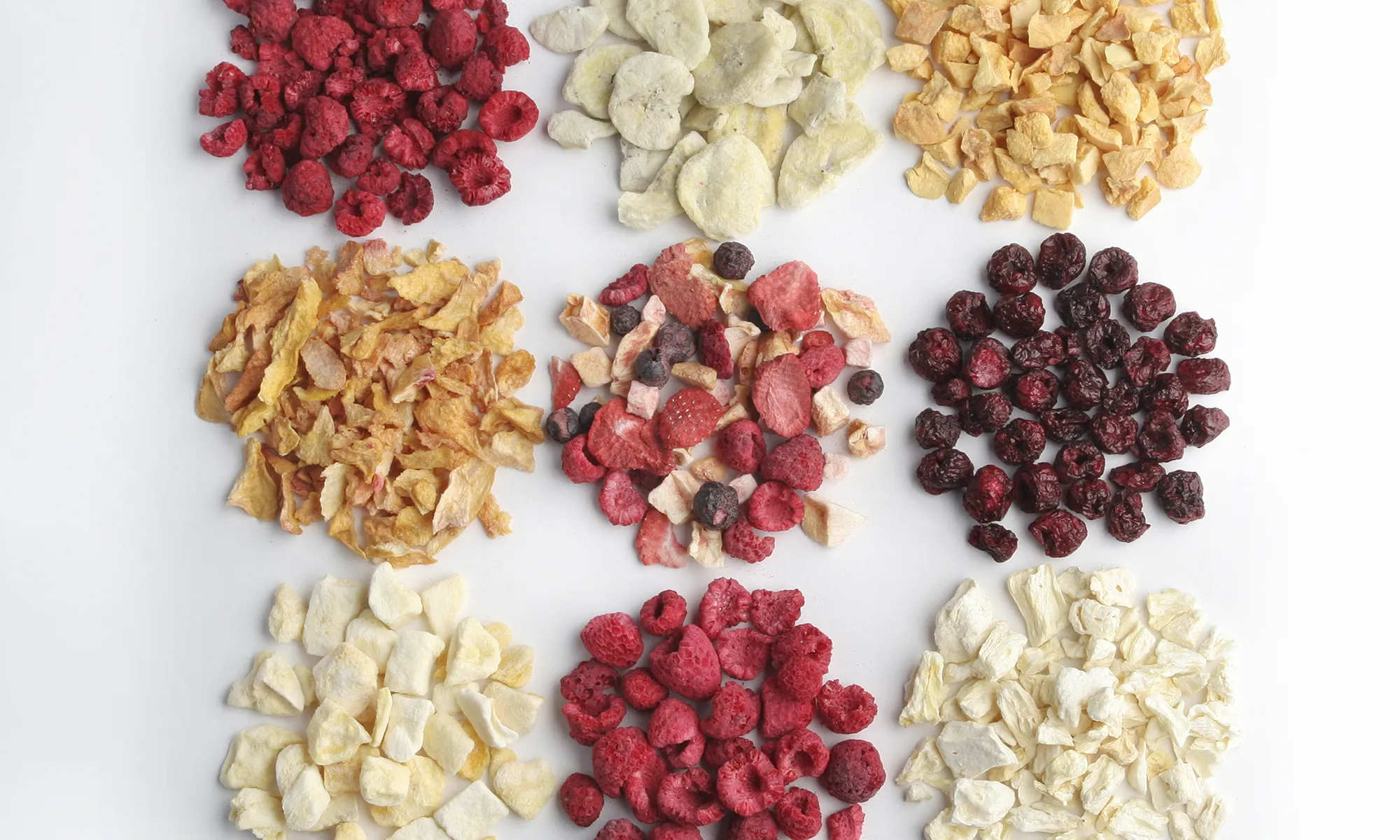
Freeze-drying, also known as lyophilization, is a sophisticated preservation method that removes water from food by first freezing it solid and then transitioning ice directly into vapor through a process called sublimation. For active individuals, runners, hikers, and outdoor adventurers, who demand lightweight, nutrient-dense, and long-lasting food options, freeze-dried food for outdoor activities represents a revolutionary solution to fueling performance and recovery.
Unlike traditional preservation methods that rely on heat or chemical additives, freeze-drying preserves the original structure, flavor, and nutritional content of food while extending its shelf life dramatically. This makes it an ideal choice for athletes who refuse to compromise on nutrition quality, even when training in remote locations or during extended competitions.
This comprehensive guide breaks down exactly how the freeze-drying process works from a scientific perspective, explores its compelling nutritional and practical benefits for active lifestyles

The Science Behind Freeze-Drying & Sublimation
Understanding the technical process of sublimation and each freeze-drying phase, from initial freezing to final secondary drying, helps athletes appreciate how cellular structure and essential nutrients are meticulously preserved throughout this advanced preservation method.
The Four-Phase Freeze-Drying Process
Phase 1: Pretreatment — The process begins with careful pretreatment, which includes washing, slicing, blanching, or cooking to optimize both freezing efficiency and final product quality. This preparation phase ensures uniform processing and removes surface contaminants that could affect the final product.
Phase 2: Rapid Freezing (Below -40°C) — Food is rapidly frozen to temperatures below -40°C (-40°F), forming countless small ice crystals throughout the cellular structure. This rapid freezing is crucial, smaller ice crystals preserve cell walls and maintain the food's original texture and nutritional integrity.
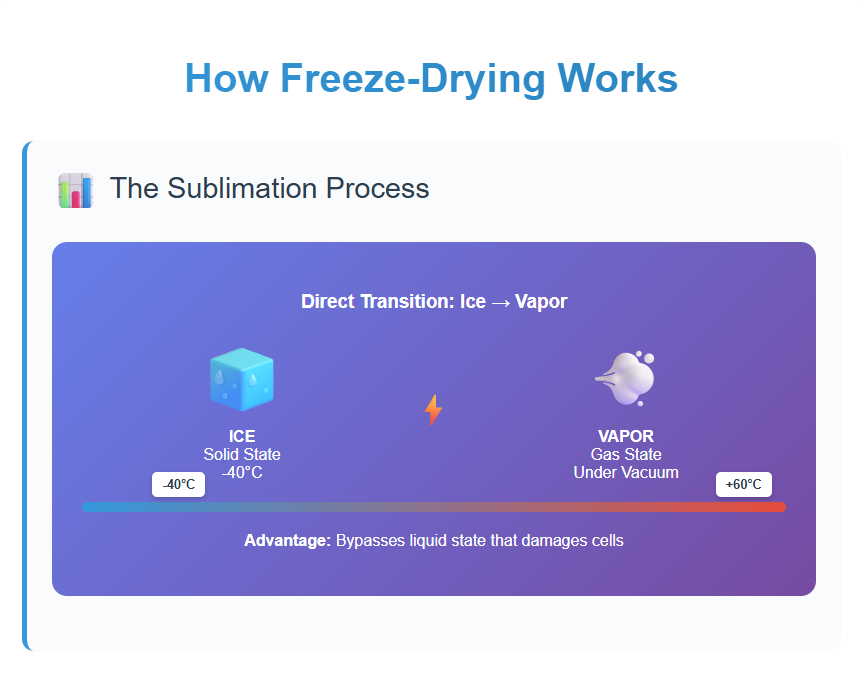
Phase 3: Primary Drying (Sublimation Under Vacuum) — Under an extremely high vacuum environment (~0.01 mbar), gentle heat is applied to facilitate sublimation—the direct transition of ice to vapor without passing through a liquid phase. This removes approximately 95% of the food's moisture content while preserving its three-dimensional structure.
Phase 4: Secondary Drying (Bound Water Removal) — The final phase involves slightly raising the temperature to eliminate residual bound water molecules that remain attached to the food matrix. This ensures maximum shelf stability and optimal rehydration characteristics.

Why Sublimation Preserves Quality
The key advantage of freeze-drying lies in its ability to bypass the liquid water phase entirely. Sublimation occurs when ice crystals transition directly to vapor under vacuum conditions, avoiding the cellular damage that occurs when liquid water expands and contracts during traditional heating methods.
This results in a porous, lightweight food structure with interconnected channels that allow for rapid rehydration while maintaining the original food's:
- Cellular architecture
- Nutritional density
- Flavor compounds
- Color and appearance
Freeze-Drying vs. Conventional Dehydration
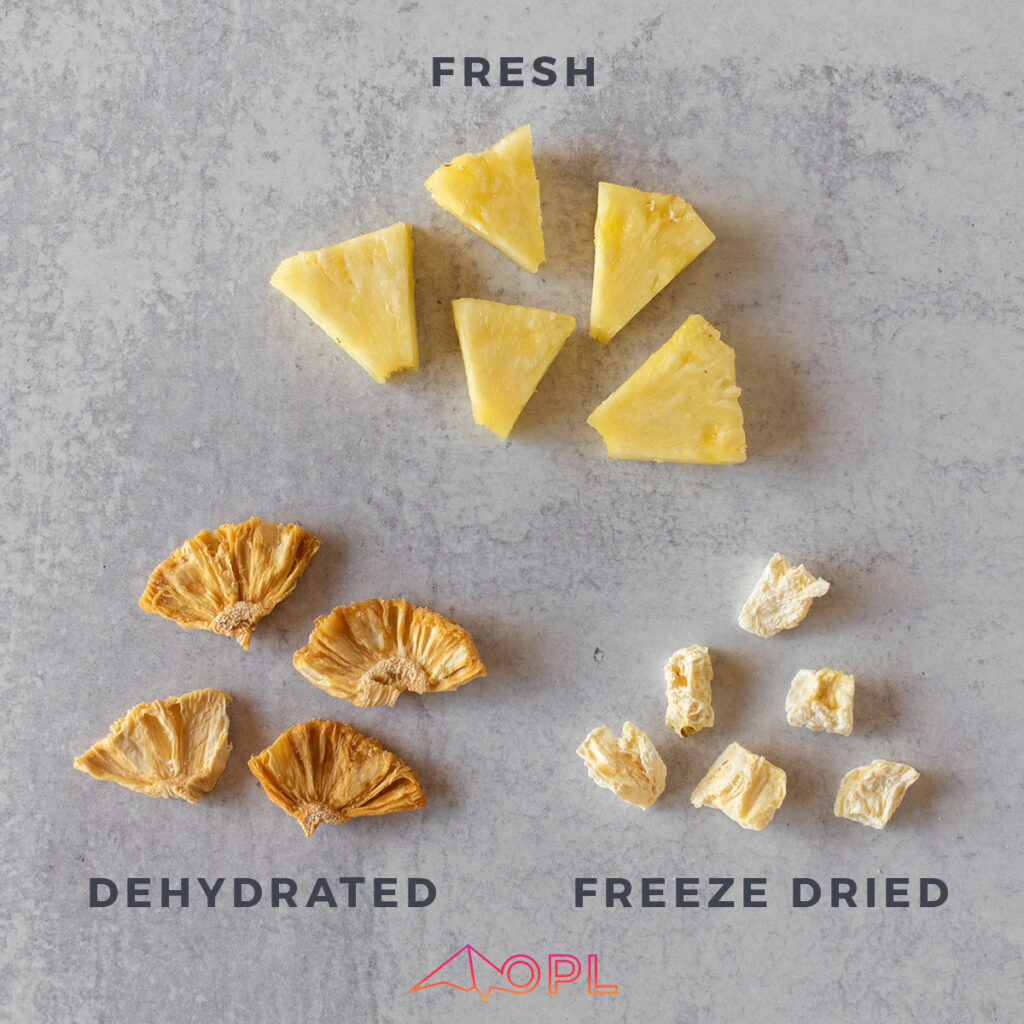
Unlike conventional dehydration methods that use hot air to evaporate water (removing 90-95% moisture), freeze-drying removes 98-99% of water content without heat damage. Traditional dehydration often results in case hardening, where the exterior forms a barrier that traps moisture inside, leading to uneven drying and potential spoilage.
The vacuum environment and controlled sublimation process of freeze-drying ensures uniform moisture removal throughout the entire food matrix, creating a superior preserved product.
Nutritional & Practical Benefits for Athletes
Freeze-dried food offers compelling advantages that make it ideal for athletes and active individuals who prioritize both performance nutrition and practical convenience in their training and competition routines.
Superior Nutrient Preservation
Vitamin and Mineral Retention: Freeze-drying retains up to 95% of vitamins, minerals, and antioxidants compared to fresh food, significantly outperforming other preservation methods. For athletes, this means access to optimal recovery fuel without nutritional compromise, even in remote training locations.
Heat-Sensitive Nutrient Protection: Unlike dehydration or canning, freeze-drying operates at low temperatures, perfectly preserving heat-sensitive nutrients like vitamin C, B vitamins, and delicate antioxidants that are crucial for athletic performance and recovery.
Concentrated Nutrition: The removal of water concentrates nutrients per unit weight, meaning athletes get more nutritional density per gram—ideal for weight-conscious sports or extended expeditions where every ounce matters.
Unmatched Practicality for Active Lifestyles
Ultra-Lightweight Design: By removing ~98% of water content, freeze-dried meals achieve dramatic weight reduction—a 1-pound fresh meal becomes just 2-3 ounces when freeze-dried. This makes them perfect for ultralight backpacking, multi-day training camps, or international competition travel.
Extended Shelf Life: Properly sealed freeze-dried meals maintain quality for 10-25 years when stored with oxygen absorbers in moisture-proof packaging. This longevity makes them ideal for emergency preparedness, seasonal training stockpiles, or remote training facilities.
Rapid Rehydration: The porous structure created by sublimation allows for near-instantaneous rehydration—most meals are ready to eat within 5-10 minutes of adding hot water. This speed is crucial for athletes with tight training schedules or limited meal preparation time.
Maintained Palatability: Preserved cellular structure and intact flavor compounds mean freeze-dried meals taste remarkably similar to their fresh counterparts. This palatability advantage significantly improves adherence to nutrition plans during challenging training phases.
Microbial Safety and Storage Advantages
The extremely low water activity (aw < 0.20) in freeze-dried foods creates an environment where harmful bacteria, yeasts, and molds cannot survive or reproduce. This inherent microbial safety eliminates the need for chemical preservatives while ensuring food safety even in challenging storage conditions.
How to Choose & Use Freeze-Dried Meals
Selecting and properly utilizing freeze-dried meals requires understanding key quality indicators, rehydration techniques, and integration strategies for optimal athletic performance benefits.
Selection Criteria for Athletic Performance
Ingredient Quality Assessment: Prioritize products with whole-food ingredients like lean proteins (chicken, beef, fish), complex carbohydrates (rice, quinoa, oats), and nutrient-dense vegetables. Avoid products with excessive fillers, artificial flavors, or unnecessary chemical additives that don't support performance goals.
Nutritional Profile Analysis: Examine the nutrition facts panel for balanced macronutrient ratios appropriate to your training demands. Look for adequate protein content (15-25g per serving), appropriate carbohydrate levels for glycogen replenishment, and sufficient sodium for electrolyte replacement after intense training sessions.
Packaging Integrity: Choose products in vacuum-sealed packaging with oxygen absorbers and clear expiration dates. Look for resealable pouches or containers that allow for portion control and extended storage after opening.
Optimal Rehydration Techniques
Water Temperature and Ratio: Use boiling water (212°F/100°C) for fastest rehydration, typically requiring 1-1.5 cups of water per serving. Cold water rehydration is possible but requires 2-3 times longer (15-30 minutes).
Rehydration Protocol:
- Pour measured boiling water into the meal pouch
- Stir thoroughly to ensure even water distribution
- Seal the pouch and let stand for 5-10 minutes
- Stir again before consumption to eliminate any dry spots
- Add additional hot water if needed for desired consistency
Temperature Retention: Use an insulated cozy or wrap the pouch in a towel during rehydration to maintain heat and improve hydration efficiency.
DIY vs. Commercial Options
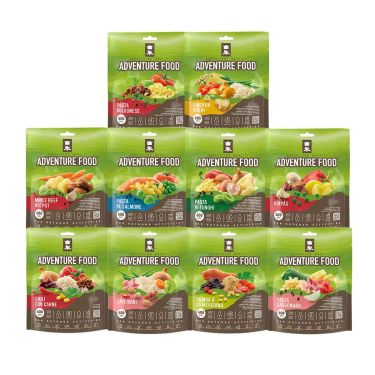
Commercial Advantages: Professional freeze-drying equipment ensures consistent quality, extended shelf life, and food safety compliance. Commercial meals offer convenience and reliability for busy athletes.
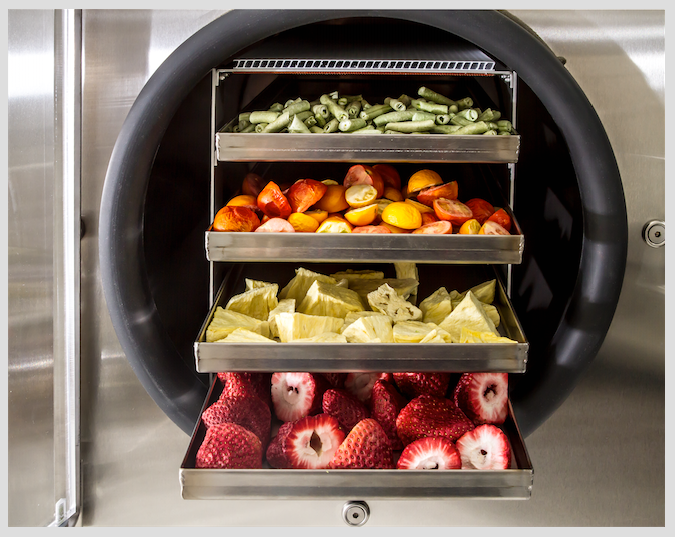
DIY Home Freeze-Drying: Home freeze-dryers allow complete control over ingredients, seasonings, and portion sizes. Process 5-10 pounds of fresh food per batch for optimal results. Ideal for athletes with specific dietary requirements or those wanting to control sodium and preservative content.
Storage Best Practices: Store opened packages in airtight containers with moisture absorbers in cool, dry locations (below 70°F/21°C). Properly stored freeze-dried foods maintain quality for decades.
FAQs & Common Misconceptions
Addressing frequently asked questions and clearing up common misconceptions helps athletes make informed decisions about incorporating freeze-dried foods into their nutrition strategies.
Food Safety and Health Concerns
Does freeze-drying kill bacteria and pathogens?
No, freeze-drying does not sterilize food—it only removes water. Freezing temperatures preserve any existing bacteria or pathogens in a dormant state. If raw ingredients contain harmful microorganisms, they remain viable after freeze-drying. This is why proper food handling and cooking before freeze-drying is essential, and why reputable manufacturers use pre-cooked ingredients.
Is freeze-dried food truly healthy for athletic performance?
Yes, research consistently shows freeze-drying is one of the most effective methods for retaining vitamins, minerals, and antioxidants. In some cases, freeze-dried foods contain higher concentrations of certain nutrients than fresh produce that has been stored and transported over long distances. The process preserves heat-sensitive vitamins that are often destroyed by other preservation methods.
Are there any nutritional downsides to freeze-dried foods?
The primary consideration is sodium content, as many commercial freeze-dried meals contain elevated sodium levels for flavor enhancement and preservation. Athletes should balance this with their hydration and electrolyte needs, particularly in hot climates or during high-sweat activities.
Process and Quality Comparisons
What's the real difference between freeze-dried and dehydrated food?
The differences are significant:
- Moisture removal: Dehydration removes 90-95% of water using heat; freeze-drying removes 98-99% using sublimation
- Nutrient retention: Freeze-drying preserves significantly more vitamins and minerals
- Texture and flavor: Freeze-dried foods maintain original texture and taste better
- Rehydration: Freeze-dried foods rehydrate faster and more completely
- Shelf life: Freeze-dried products last much longer (decades vs. years)
Is the higher cost of freeze-dried food justified?
While freeze-dried foods have higher upfront costs, they offer exceptional value when considering:
- Extended shelf life (no spoilage waste)
- Superior nutritional density
- Convenience and time savings
- Reduced food preparation equipment needs
- Emergency preparedness value
We recommend this article: "What Are the Benefits of Dried Meat?
Related posts
-
Food during the Marathon des Sables, by Carole Pipolo
We interviewed Carole Pipolo, founder of Outdoor And News and partner of Freezedried & Co, to ask her about nutrition...Read more -
Sailing - What to Eat?
In this article, dive into the world of provisioning with freeze-dried recipes, along with their alternatives and...Read more -
Special Vendée Globe - What Do Skippers Eat?
Published in: Food2024-11-15For weeks, the skippers of the Vendée Globe have been meticulously preparing their onboard provisions, and we thank...Read more -
How to Prepare Your Nutrition for a Self-Supported Race Like the Marathon des Sables?
2024-11-15Wondering what food to choose and how to prepare your freeze dried food during the race? This article will provide...Read more -
Marathon des Sables: Nutrition Tips from Sandrine Nail-Billaud
2024-11-15Some time ago, we interviewed Sandrine Nail-Billaud, a contributor to Running Attitude magazine and a Pharmacist...Read more