The Big Three: Categories That Feed the World
Cereal Powerhouses: Your Energy Champions
Cereals are the ultimate energy providers. Rice alone feeds 3.5 billion people daily, while wheat forms the base of bread, pasta, and countless other dishes across cultures.
Here's what makes cereals so special:
- Quick energy release from natural carbohydrates
- Long shelf life when stored properly
- Incredible versatility in cooking methods
Oats deserve special mention – they're not just for breakfast anymore. From savory oat risottos to protein-packed overnight oats, this humble cereal is having a major moment.
Legume Heroes: The Protein Powerhouses
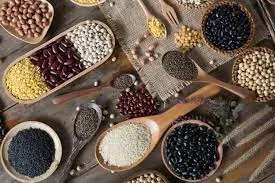
Meet your wallet-friendly protein sources. Lentils cook in just 20 minutes, while dried varieties like chickpeas and black types can transform into everything from hummus to veggie burgers.
Why legumes are kitchen game-changers:
- Pack more protein than most meats (gram for gram)
- Cost pennies compared to animal proteins
- Keep you full for hours thanks to their fiber content
Pro tip: Keep red lentils handy – they cook faster than pasta and add instant protein to any meal.
Produce Foundations: The Flavor Builders
Some items aren't about calories – they're about making everything else taste incredible. Onions and garlic appear in virtually every cuisine for good reason.
Your essential produce lineup:
- Onions and garlic: The aromatic foundation of countless dishes
- Potatoes: Versatile, filling, and surprisingly nutritious
- Carrots: Natural sweetness plus serious staying power
These items don't just add flavor – they bring vitamins, minerals, and that special something that turns a basic meal into comfort food.
Smart Shopping: Building Your Essential Food Arsenal
The Strategic Approach to Stocking Up
Think like a chef, shop like a strategist. The best home cooks don't just buy random ingredients – they invest in versatile foundations that work across multiple meals.
Start with these non-negotiables:
- One reliable cereal (rice or oats)
- Two types of legumes (lentils plus one dried variety)
- Basic aromatics (onions, garlic)
Here's the beauty of this approach: with just these basics, you can create dozens of different meals. Add seasonal produce and proteins as budget allows.
Storage Secrets That Save Money and Time
Proper storage turns good ingredients into long-term investments. Most people lose money because they don't know how to keep their foundations fresh.
The golden rules:
- Airtight containers for all dry goods
- Cool, dark spaces for root produce
- Room temperature for most seasonings and oils
Smart storage pays off big time. Well-stored rice lasts years, not months. Properly kept onions stay fresh for weeks, not days.
From Basics to Brilliant: Transforming Simple Ingredients
The Art of Building Balanced Meals
Every great meal starts with a foundation, then builds up. Think of your plate like a house – you need a solid base before adding the interesting details.
The foolproof formula:
- Start with your cereal base (rice, oats, or bread)
- Add protein (legumes, eggs, or meat)
- Load up on produce (whatever's fresh and affordable)
This isn't just theory – it's how millions of home cooks create satisfying meals every day. A simple rice bowl becomes extraordinary when you add sautéed garlic, protein-rich lentils, and whatever fresh items you have on hand.
Creative Substitutions That Keep Things Interesting
Bored with the same old meals? The secret isn't buying exotic ingredients – it's getting creative with what you already have.
Game-changing swaps:
- Quinoa instead of rice for extra protein
- Sweet potatoes instead of regular for more nutrients
- Different legume varieties to change up flavors and textures
The best part? These substitutions often make your meals more nutritious while keeping costs low. Win-win!
Meal Prep Magic with Essential Foods
Here's where foundational foods really shine: they're meal prep superstars. Cook once, eat multiple times, and never sacrifice flavor or nutrition.
Batch-cooking champions include:
- Large pots of rice (use throughout the week)
- Big batches of lentils (add to salads, soups, wraps)
- Roasted root items (grab-and-go sides for any meal)
This strategy saves both time and money while ensuring you always have the building blocks for a good meal ready to go.
Making It Work: Your Essential Foods Action Plan
Ready to revolutionize your kitchen? Start small, think big, and focus on foods that truly earn their keep in your daily routine.
Begin with just three items from different categories. Master using them in multiple ways before adding more. This approach prevents waste and builds real cooking confidence.
Remember: the world's best cuisines weren't built on exotic ingredients – they were built on making the most of reliable, accessible foundations. Your kitchen can work the same magic.
The bottom line? Essential foods aren't just about survival – they're about creating a sustainable, enjoyable way to eat well every single day. And that's something worth building your meals around.
We recommend this article: Best Dehydrated Camping Food.





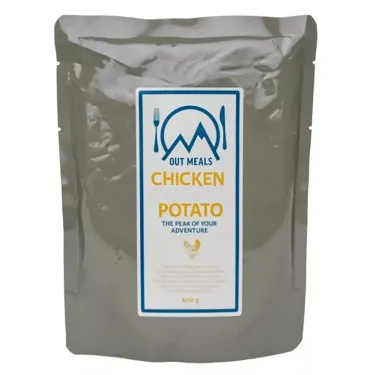



 Food during the Marathon des Sables, by Carole Pipolo
 Sailing - What to Eat?
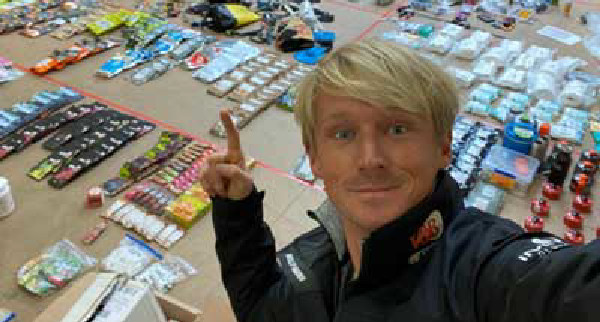 Special Vendée Globe - What Do Skippers Eat?
 How to Prepare Your Nutrition for a Self-Supported Race Like the Marathon des Sables?
 Marathon des Sables: Nutrition Tips from Sandrine Nail-Billaud