Survival guide [7/8]: how to manage without electricity at home?

We continue our survival guide in 8 chapters with an article sharing best practices for surviving without electricity at home.

Traditionally, power cuts occur due to severe weather conditions (storms, cold snaps, …). Yet even a few days without air conditioning or heating, a phone, radio or television can be a real inconvenience. To manage these power cuts, there are several options available to help you prepare as best you can.

Emergency power supply

Let's start with an essential point: energy needs. It's important to always have a Plan B when it comes to electricity — whether for charging your devices, cooking a meal, keeping warm, or staying informed and in contact with others. Fortunately, there are backup solutions to ensure you're never completely without power.

Portable solar panels and small solar generators are ideal for on-demand electricity, whether in a house or a flat. They're not only useful for lighting, but also for staying connected, as they're always within reach whenever your phone needs charging. All you need is a few rays of sunshine. You can also replace the solar generator with a power bank — as long as you have a solar panel to harvest the energy, that's what matters most.

  • Which solar panel should you choose?

For large-scale needs, more powerful power stations along with solar panels to support them are useful for temporarily supplying numerous devices in the home. Some stations can charge small devices such as a smartphone or tablet, but also larger ones such as a fridge, for example, which can be very useful if you find yourself without electricity for several days.


You can also consider fuel-powered generators, which don't depend on the sun but do require you to store fuel.

Cooking and water

One of the concerns during a power cut is the loss of food inside your fridge and freezer. To keep things cool inside, try to keep them closed as much as possible. Conservation is key in an emergency situation: the less energy you use, the longer your essential appliances will last.
Good to know: For a fridge, food will keep for around 4 to 6 hours if you avoid opening it too often. For a freezer, you can keep food for approximately 24 to 48 hours at best. After these timeframes, it is advisable to throw away or cook your food.

To manage without, try to keep food at home that doesn't need refrigerating. This could be snacks, tinned goods, dry staples, or even compact rations, for example. Having long-life food is a good idea to avoid having to rotate your stock too frequently.

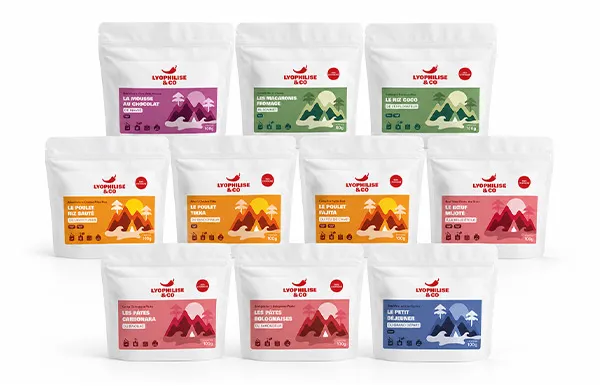
If you have a gas or alcohol stove at home, for example, that will make things easier. If you don't, most freeze dried meals can be rehydrated with cold water. It won't warm you up as much as a hot meal, but they will still give you the energy you need. It's in situations like these that you realise how important it is to have a quality food reserve.

  • If you're not sure which stove to choose, this article should help guide your decision.

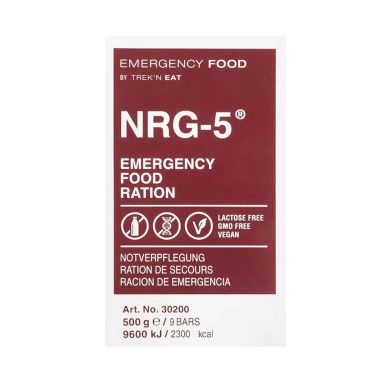
As for compact tins and rations, they are essential for a long-term stock. The NRG-5, for example, are ideal as they offer an excellent calorie-to-weight ratio.

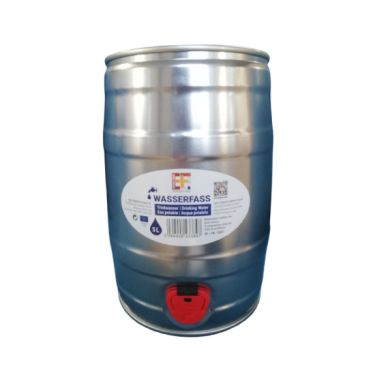
Regarding water, make sure you have some in bottles or in a barrel. That way, if the tap water is cut off, you'll still be able to stay hydrated and cook.

Lighting

To deal with power cuts and restore some light (especially in the middle of winter when night falls quickly!), you can first check that you always have a stock of candles at home. As well as being cheap and easy to store and use, they'll give you a light source — more or less effective depending on how many candles you light, of course.


While candles are ideal as a stopgap, they're not a long-term solution. That's why it can be worth stocking up (or restocking) on batteries in advance. This way, you can use your torches, headtorches or even lanterns without worrying about running out of light too quickly.
Glow sticks can also be a solution — they're 100% self-contained, very bright, and provide several hours of light!

Some portable power stations are also particularly handy given their ability to supply electricity, as well as providing light for several hours continuously.

Heating

If possible in your home, lighting a fire is one of the easiest and quickest ways to warm up. If that's not an option, you can always put on the warmest clothes you have: socks, jumpers and even a neck warmer will go a long way towards keeping you warm.

Remember to hydrate with hot drinks and, above all, to eat hearty, filling meals. This will help your body warm up more quickly, give you more energy, and allow your body to keep producing heat, even overnight.

If you get the chance, check the insulation of your home. It may well be a "sieve" where cold gets in easily, leaving no room for warmth to take hold. Grants are available to help cover the cost of this work, which can quickly become expensive, and several websites provide all the information you need to know to get started.

Finally, if you're really too cold, our article on " How to keep warm at night when bivouacking " may give you a few more ideas, even if not everything in it is necessarily applicable.

Communication

To stay informed about how the situation develops, make sure you have at least a small battery-powered radio, so you can find out more about the duration of the cut, its cause, and so on.


Get yourself a power bank if you don't already have one, and make sure it's always charged. With it, you'll be able to keep using your smartphone a little longer without draining too much battery. For larger power needs such as charging your laptop or any other energy-hungry device, you can refer to the first point of this blog article, which covers power stations and will help you keep more energy on hand in any situation.

In conclusion

Electricity is undoubtedly one of our most important resources, present in every aspect of daily life and sometimes taken for granted — which isn't always justified. That's why it's important to think about alternatives and be prepared in case of a widespread power cut.

Whether it's to keep eating, stay warm, have light, or simply charge your devices, solutions exist. Solar panels and power stations are among them and are becoming increasingly widespread around the world. Also think about stocking up on long-life food, lighting accessories and heating equipment, so you're not too badly affected if a widespread power cut ever occurs.

Read the other chapters:

A word about Freezedried & Co 🌶

Based in Lorient, Freezedried & Co is the go-to source for freeze dried food and high-quality outdoor equipment. Whether you're a hiker, sailor, trail runner, bushcraft enthusiast or bivouacking fan, we offer a wide range of technical products suited to all your adventures. With over 2,000 references available, we're here to support you on your expeditions, both in France and internationally.

If you have any questions, our experts are available and will be happy to advise you:

☎ 02 97 87 23 73
✉ team[at]lyophilise.com

We also have a showroom open Monday to Friday:

📍 6 bis rue du sous-marin Vénus, 56100 Lorient