





-
Free delivery from £70 for the United Kingdom | Same-day shipping on orders placed before 1pm*
-
Black November: 5% off from £100, 10% off from £200 and 15% off from £300 on the entire store until 9 november (Excluding discounted products, Therm-A-Rest, MSR, Stoots, Big Agnes, Santa Madre & Nemo)
Dry bags and waterproof pouches: keep your gear dry
Driving rain, morning dew, a stream crossing or sea spray: a dry bag protects what must stay dry, such as your sleeping bag, spare clothes or phone. At Freezedried & Co, we select lightweight dry bags and waterproof pouches for hiking, camping, bikepacking, kayaking and sailing. From ultralight dry bags and compression sacks to zip pouches for electronics, explore options from Sea to Summit, Exped, Zpacks, aLoksak and Opsak to organise your pack and protect it from moisture.
What is a dry bag for?
A rain cover protects the outside of your rucksack, but water often finds its way in through the back or seams. A dry bag protects the contents directly. It’s essential for:
- Sleeping gear: a wet down sleeping bag loses much of its insulating ability. Protect it first.
- Spare clothes: having a dry layer for the evening at camp makes all the difference.
- Electronics and documents: phone, power bank, map and travel documents.
- Watersports: kayaking, canoeing, paddleboarding or sailing, where splashes and the risk of capsizing are ever-present.
How do you choose a dry bag?
Capacity
Small bags (1 to 5 litres) hold electronics, toiletries or a first-aid kit. Medium bags (8 to 20 litres) suit clothing and sleeping bags. A larger dry bag can line your entire hiking rucksack. Several small bags in different colours make it easy to find your gear at a glance.
Material and weight
Silicone-coated nylon or very thin fabric bags are the lightest: they weigh just a few dozen grams and are ideal inside a rucksack. Bags made from thicker, PVC- or TPU-coated fabric stand up better to abrasion, rubbing against rock and heavy use on the water, but weigh more. The fabric’s denier gives an indication of its durability.
Closure type
The roll-top closure is the most common: roll the opening down several times, then clip the buckle shut. It’s simple and reliable, with no delicate parts. Waterproof zip pouches suit small, flat items such as a phone, map or documents. Some also let you use your phone screen through the pouch.
Splashproof or submersible?
Not all dry bags offer the same protection against water. Most lightweight dry bags withstand rain and splashes but are not designed to remain submerged for long. If immersion is possible while kayaking or sailing, choose a model described as submersible and check its IPX rating on the product page.
Types of dry bag
- Dry bag (standard waterproof bag): a roll-top closure, with options from ultralight to extra-robust in a range of sizes.
- Waterproof compression sack: straps reduce the bulk of a sleeping bag or clothing while protecting them from moisture.
- Waterproof phone pouch: protects your smartphone from rain and sand; some models let you use the screen through the pouch.
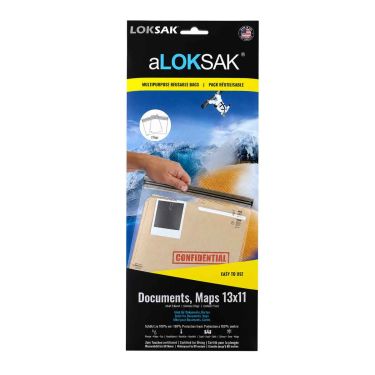
- Waterproof zip pouches: thin and lightweight, for maps, documents, electronics or food. Some are designed to contain odours.
- Multifunctional dry bag: some models double as a pillow when filled with clothes, saving even more weight.
Organising your rucksack with dry bags
Pack your sleeping bag in a dry bag at the bottom of your rucksack and your clothes in a second bag. Keep a small pouch near the top for essentials you need to reach: phone, power bank, documents and map. Your head torch and first-aid kit will also benefit from staying dry. Packing this way protects your gear and speeds up setting up camp.
Dry bags for sailing, kayaking and bikepacking
When sailing, your gear is exposed to spray and waves breaking over the boat. Choose robust bags with tightly closed roll-tops, and rinse them with fresh water after every trip at sea. For kayaking and canoeing, divide your belongings between several bags to balance the boat. For bikepacking, lightweight dry bags fit inside frame bags or handlebar bags and protect your gear from wheel spray.
Care and repair
Rinse your dry bag with fresh water after use at sea. Leave it open to dry before storing it, and avoid dragging it over abrasive surfaces. A small tear or pinhole is easy to repair with adhesive made for waterproof gear; keep some in your repair kit.
Our dry bag brands
Sea to Summit and Exped for ultralight dry bags and compression sacks, Zpacks for multifunctional bags, and aLoksak and Opsak for waterproof zip pouches: brands designed for outdoor adventures and lightweight hiking. To lighten the rest of your kit, explore our top ultralight gear and our full range of camping gear.
Dry bag FAQ
How do you close a dry bag?
Press the air out of the bag, then roll the opening down at least three times, keeping it flat. Clip the buckle shut. If you want the bag to float, leave a little air inside before rolling it closed.
What’s the difference between a dry bag and a water-resistant bag?
A water-resistant bag withstands rain, but water can get in through the seams or closures. A dry bag has welded seams and a closure designed to keep water out: it withstands splashes and, depending on the model, immersion.
What size dry bag should you choose?
Allow 1 to 5 litres for electronics and small items, 8 to 20 litres for a sleeping bag or clothing, and a larger bag to line your rucksack. Several small bags are more practical than one large one.
Does a dry bag float?
A dry bag closed with a little air inside will generally float, making it easier to retrieve if it falls into the water. It is not, however, a flotation device for a person.
A team here to help
Questions about bag size, a model’s water protection or how to organise your pack? Contact us or visit our shop in Lorient. We’ll help you protect your gear on land and on the water.